
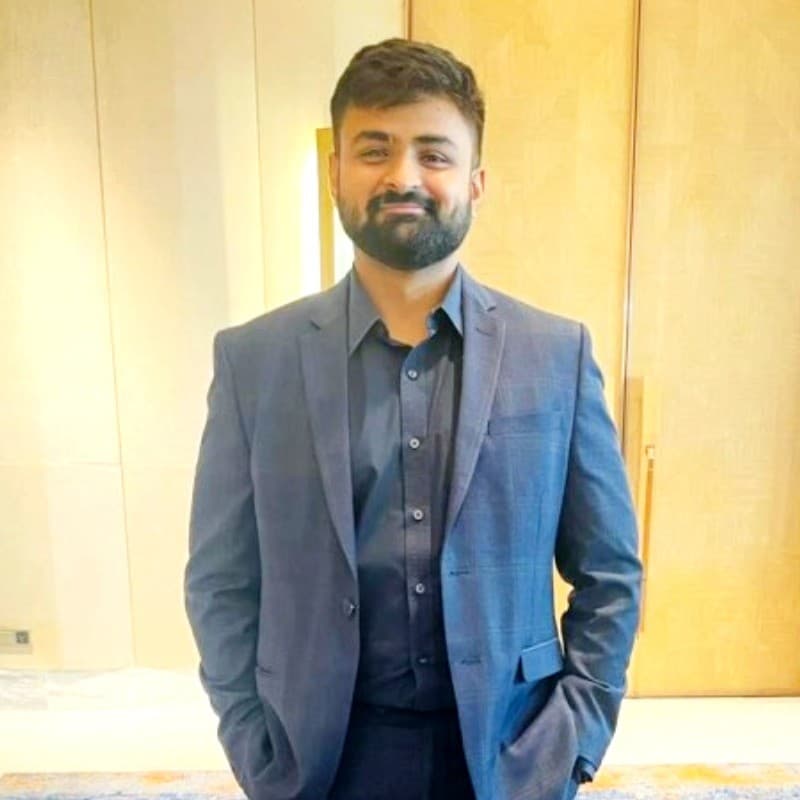
Ayush Joshi
Co-Founder
Ex-OYO and Tenaciousfly. 7+ years in business development, strategic acquisitions, financing and debt syndication.
Pitch decks, projections, DPRs, grants, due diligence & term sheets.
5.0★ across 335+ Google reviews
2,700+ founders served across India
Fundraising work divides into two things founders often conflate: becoming fundable, and running the raise. The first is documentation, numbers that survive scrutiny and a clean compliance record. The second is the process — materials, diligence, negotiation support.
Government funding is the part most advisors skip because it is slow and unglamorous. It is also non-dilutive. We maintain a directory of 140 verified schemes with live eligibility and deadlines, which is how we can tell you in one conversation whether a grant route is real for you or a distraction from raising equity.
India is now home to over 159,000 active startups, many of which seek financial assistance to fuel their growt…
Valuation services involve the process of determining the current worth of a business, asset, or company. Thes…
A DPR outlines the technical, financial, managerial, and operational details of a project. It is often require…
Financial projections provide a structured estimate of a company's financial future, helping founders and deci…
When startups are looking to raise funds, approaching the right investors is crucial. There are several types …
Fundraising is essential for driving long-term growth and turning entrepreneurial ideas into sustainable ventu…
A Term Sheet and a Shareholders Agreement (SHA) are two essential documents in the lifecycle of a startup or e…
Due diligence is a structured process undertaken before entering into significant business transactions such a…
Fundraising is the process of acquiring financial or non-financial support to achieve specific organisational …
Government grants are offered to encourage entrepreneurship, research, manufacturing, social impact, women-led…
Raising term debt means passing a bank’s underwriting process most founders have never seen. Most debt syndica…
Stock is piling up, a buyer is paying late, and you need a revolving limit — not a term loan. We prepare the C…
When your bank asks for an external credit rating, the file you present to the rating agency decides more than…
Competitors describe this work in adjectives. Here are the contents.
| What you get | What it covers |
|---|---|
| Pitch deck and narrative | The deck investors actually read, built from your numbers rather than a template — problem, model, traction, the ask. |
| Financial projections | A model with defensible assumptions you can be questioned on, not a hockey stick reverse-engineered from a target. |
| Detailed project report (DPR) | The bankable document lenders and scheme committees require, prepared to the format they expect. |
| Government grants and schemes | Eligibility mapped against the live directory, application drafted and filed, follow-through with the incubator or department. |
| SISFS applications | The Startup India Seed Fund route — a grant of up to ₹20 lakh for proof of concept and prototyping, or a debt-linked instrument of up to ₹50 lakh for market entry. One instrument, chosen by stage, never both. |
| Debt syndication | Term loans, working capital and credit-guarantee-backed facilities — the paperwork lenders need and the introductions where we have them. |
| Diligence readiness | The data room, the cap table, the compliance record — cleaned before an investor finds the gaps rather than after. |
| Term-sheet support | Reading what the terms mean for you commercially, and the structuring and filings that follow a close. |
Recent Fundraising engagements.
An enterprise software company in Gurugram had accumulated a tangled cap table over several informal funding events — undocumented SAFEs, verbal ESOP promises, and inconsistent share records. As a priced round approached, the incoming lead investor required a single, reconciled source of truth before proceeding.
A fast-growing D2C food brand in Mumbai had secured verbal commitments from a group of angel investors but had never run a priced round. The founders lacked the transaction documentation, a defensible cap table, and the compliance readiness that angels expect during diligence — and were at risk of losing momentum with interested investors.
A consumer-electronics company in Noida planned to raise institutional capital within the year but had never been through a formal fundraise. Its financials, compliance, governance, and cap table were not organised to the standard investors expect, and the founders wanted to be ready well before going to market.
Up to ₹20 lakh as a grant for proof of concept, prototyping or product trials, or up to ₹50 lakh as a debt-linked instrument for market entry and scaling. It is one or the other, chosen by stage — never both, and never a ₹50 lakh grant.
Yes. Grants are non-dilutive, and credit-guarantee-backed debt does not touch your cap table. Whether you qualify depends on sector, stage and recognition status, which is what an eligibility check establishes.
Incorporation and cap-table records, audited or reviewed financials, statutory filings, material contracts, IP ownership and employment documentation. Gaps in the compliance record are the most common cause of delay.
For many central schemes, yes — including SISFS. It is also the gate for 80-IAC tax exemption and angel-tax relief, so it is usually worth having before you start applying.
A detailed project report sets out the project, its financials and its viability in the format lenders and scheme committees expect. You need one for most bank facilities and many government schemes.
Plan in months rather than weeks for anything routed through an incubator or ministry committee — committees meet on their own cycles and diligence follows shortlisting. Founders who assume otherwise end up funding the gap themselves.
Talk to the people who handle this work every day — no call centre, no hand-offs.
Co-Founder
Ex-OYO and Tenaciousfly. 7+ years in business development, strategic acquisitions, financing and debt syndication.
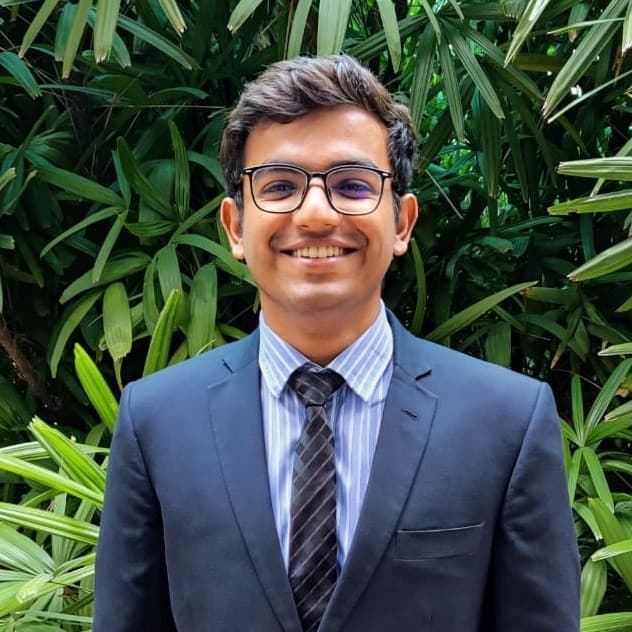
Co-Founder
Ex-Bank of America. 4+ years in investment banking, EU & Indian compliances, ESG compliances, and project management.
Fundraising Specialist
Investor-ready decks, financial projections, valuation and due diligence.
An honest assessment of where you are and what comes next — no cost, no pressure, no inflated promises.